
Centre ProSanté West Island

Podiatry

Podiatry at Centre ProSanté is provided by two podiatrists with surgical training, for children and adults: Dr. Robert Donaldson, podiatrist, and Dr. Scott Pace, podiatrist.

Call now · (438) 533-2327

Free parking · English & French

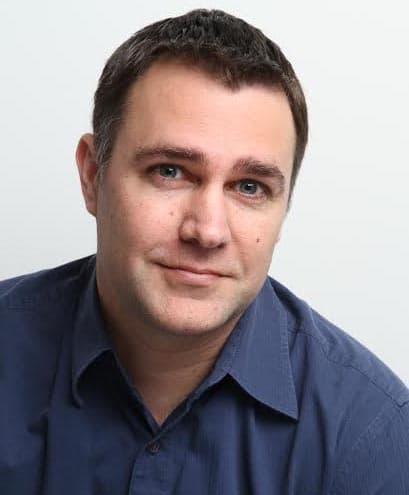
Dr. Robert Donaldson, podiatrist
Dr. Robert DonaldsonPodiatrist
Dr. Scott Pace, podiatrist
Dr. Scott PacePodiatrist

About podiatry

A podiatrist holds a doctorate in podiatric medicine and is a member of the Ordre des podiatres du Québec. Podiatrists assess, diagnose and treat conditions of the foot and ankle through medical, pharmaceutical, mechanical (orthotics) or surgical means, in children and adults alike.

From the first diagnosis through surgery and postoperative follow-up, you stay with the same podiatrist. Surgery itself is performed at the Saint-Léonard clinic of Dr. Robert Donaldson, podiatrist; assessment and follow-up take place here in Dollard-des-Ormeaux.

No medical referral is required. Many private insurance plans cover podiatric consultations and custom orthotics in full or in part; check with your insurer.

A gait or biomechanical imbalance sometimes accompanies recurring lower back, hip or knee pain. Where that is the case, podiatry and chiropractic care can be coordinated within the clinic.

Conditions treated

The foot has 26 bones, 33 joints and more than a hundred muscles, tendons and ligaments. An imbalance there often carries upward, to the knees, hips and back.

Pain and inflammation

Heel pain and plantar fasciitis

Plantar fasciitis, sometimes with a heel spur, is the most common cause of heel pain: typically a sharp pain with the first steps in the morning that eases with walking and returns by the end of the day. Pain at the back of the heel more often involves the Achilles tendon. Custom orthotics are often part of the management.

Achilles tendinitis

Pain and stiffness at the back of the ankle, common among runners and people who have increased their activity level quickly.

Morton's neuroma

A burning or electric-shock sensation in the forefoot, often between the third and fourth toes, caused by irritation of a compressed nerve.

Metatarsalgia

Pain under the ball of the foot, worsened by prolonged walking, standing or wearing high heels.

Skin and nails

Ingrown toenails

They progress from simple redness to severe inflammation, a particular concern for people with diabetes. Medical treatment is available, with a minor procedure under local anesthesia when they keep coming back.

Nail fungus (onychomycosis)

An infection of the root, bed or plate of the nail that causes thickening, discolouration and crumbling. An assessment determines the appropriate approach.

Plantar warts

Caused by the human papillomavirus, often painful under pressure and able to spread. Options include topical wart medication or acid application, along with prevention advice.

Corns, calluses and hard skin

Thickened skin from repeated pressure or friction, often a sign of an underlying biomechanical imbalance.

Athlete's foot and excessive sweating

Fungal skin infections and hyperhidrosis, two common reasons to see a podiatrist.

Cracked heels

Dry, split skin that can become painful or infected, a particular concern for people with diabetes.

Structural deformities

Bunions (hallux valgus)

Progressive deviation of the big toe that creates a painful bump on the side of the foot. Orthotics may be proposed; surgical correction may be considered in advanced cases.

Hammertoes

A deformity linked to muscular imbalance, diabetes, ill-fitting footwear or heredity, leading to pain, corns and calluses on top of the toes.

Flat feet and high arches

A collapsed or excessively high arch, often associated with pain in the feet, knees and back. A biomechanical analysis assesses how it bears on your gait.

Hallux limitus and rigidus

Progressive stiffness of the big toe joint that limits bending and makes walking painful. Surgical correction is possible in advanced cases.

Diabetes and systemic conditions

Diabetic foot care

Diabetes reduces sensation and circulation in the feet, so a small injury can go unnoticed and worsen quickly. An annual podiatric exam is recommended, with follow-up aimed at preventing infections and ulcers.

Peripheral neuropathy

Numbness, tingling or loss of sensation that calls for close monitoring and tailored prevention advice.

Arthritis and osteoarthritis of the foot

Chronic joint pain that may be addressed with suitable orthotics and conservative management.

Children

Flat feet and in-toeing

Many of these features resolve with growth, but some warrant assessment. A consultation distinguishes what is normal from what needs attention.

Sever's disease

Inflammation of the heel's growth plate, common in active children aged 8 to 14.

Sports injuries and biomechanics

Biomechanical gait analysis

An assessment of how your foot behaves in motion, to identify what contributes to your pain rather than addressing symptoms alone.

Custom foot orthotics

Designed from that analysis and aimed at correcting the imbalances identified. Ready in about two to three weeks.

Stress fractures, recurring sprains, patellofemoral pain

Injuries often associated with a biomechanical imbalance in the foot, worth assessing from that angle.

Your podiatrist will assess your situation before discussing appropriate care.

Your podiatrists

Dr. Robert A. Donaldson

Podiatrist

In practice since 1992, he combines clinical experience with surgical training in foot and ankle care.

Education and background

  • BSc in Exercise Science, Concordia University, Montreal (1987)
  • Doctor of Podiatric Medicine, Pennsylvania College of Podiatric Medicine (Philadelphia)
  • Residency in foot and ankle surgery, Mount Sinai Hospital (Hartford, Connecticut)
  • Member, Ordre des podiatres du Québec

Approach

He can diagnose a condition, recommend treatment and, where surgery is indicated, perform it himself, so the same person follows you at every stage.

Areas of expertise

  • Foot and ankle surgery
  • Diabetic foot care
  • Biomechanical gait analysis
  • Custom foot orthotics

He also practises at his clinic in Saint-Léonard.

Dr. Scott Pace

Podiatrist

He takes an attentive, reassuring and transparent approach, explaining each step before any intervention is considered.

Education and background

  • B.A. in Biology / Pre-Medicine, Hamilton College (New York), 1996
  • Doctor of Podiatric Medicine, Barry University (Florida)
  • Three-year surgical residency in the United States: over 1,100 surgeries, with rotations in dermatology and in vascular, plastic, general and orthopedic surgery
  • Began his career at Toback Podiatry (Hudson Valley, New York), across private clinics, hospitals and a surgical centre
  • In Quebec since 2007, member of the Ordre des podiatres du Québec

Approach

His attention to detail extends beyond the procedure itself: he personally handles the postoperative follow-up of each of his patients.

What to expect

Have questions about your first visit? Call us and we'll walk you through it and help you find a time that works.

Podiatry questions

Do I need a medical referral to see a podiatrist?

No. You can call us directly to book a podiatry visit.

Is podiatry covered by insurance?

Many private insurance plans cover podiatric consultations and custom orthotics in full or in part. Check the details of your coverage with your insurer.

Where is surgery performed?

Surgery is performed at the Saint-Léonard clinic of Dr. Robert Donaldson, podiatrist. The assessment before the procedure and the follow-up afterwards take place here in Dollard-des-Ormeaux.

Will I see the same podiatrist throughout?

Yes. From the first diagnosis through surgery and postoperative follow-up, you stay with the same podiatrist.

Do you see children?

Yes. Our podiatrists see children as well as adults.

Ready to take the first step?

Reach our team directly. No online form needed.

Call for current availability · Service in English and French

Call · (438) 533-2327